Many Pilates and fitness classes move quickly and focus on appearance.
Large group settings limit attention and precision.
People put in the effort, yet their body often still feels uncomfortable or uncertain.
They are left wondering why the work is not translating into how they feel day to day.
Quality of movement matters.
Pilates exercises are progressive, executed with control, in the right order, and on the right apparatus.
Pilates is a discipline. It is not meant to be rushed for effect. Good instruction respects the body and supports it over time.
Movement should build awareness. It should support posture and the spine. It should feel considered rather than performative.
Meet Andrea
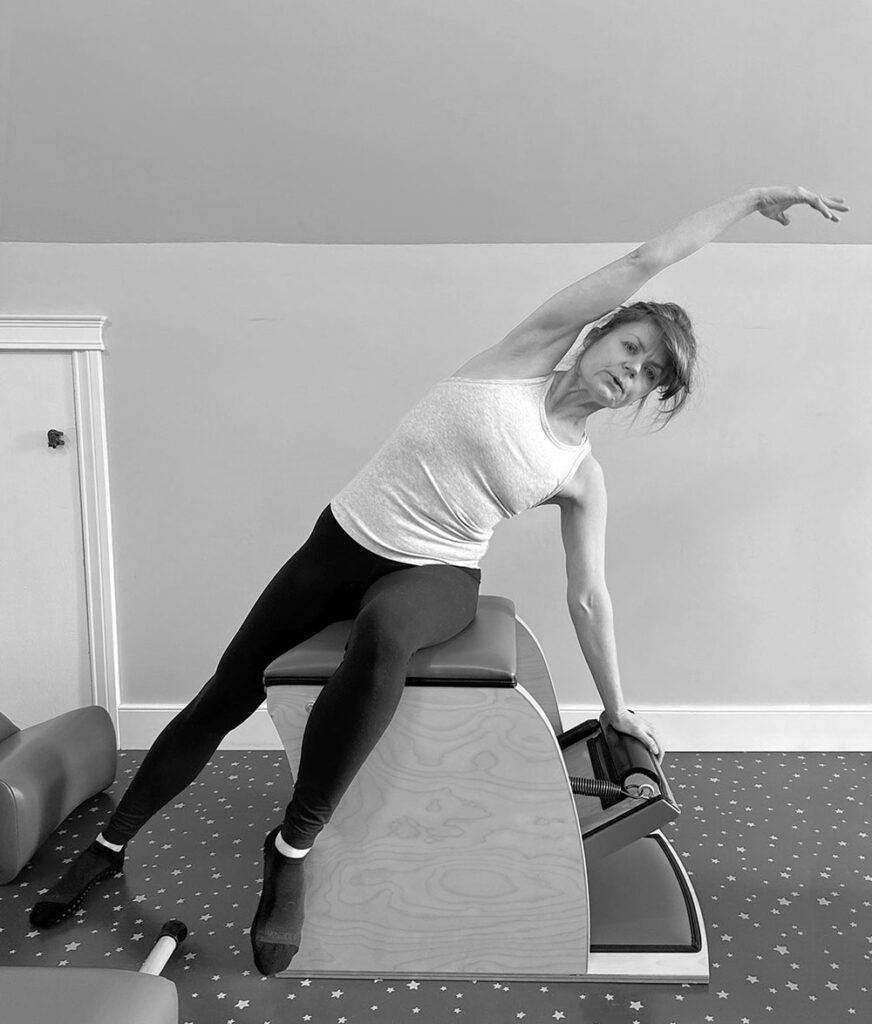
Andrea Dean brings over 25 years of experience studying movement and anatomy. Her work is grounded in classical Pilates principles and informed by rehabilitation-focused practice.
She works with clients who want clarity in their movement and care in their instruction. The goal is not intensity for its own sake, but movement that supports daily life and long-term health.
Your program is designed around your needs, not a template.
Step 3
Move with confidence and control
Over time, movement becomes more efficient, supported, and sustainable.
Ready to get started?
This work is well suited for people who value precision, care, and long-term function. It may not be the right fit for those seeking fast-paced or high-volume choreographed classes.